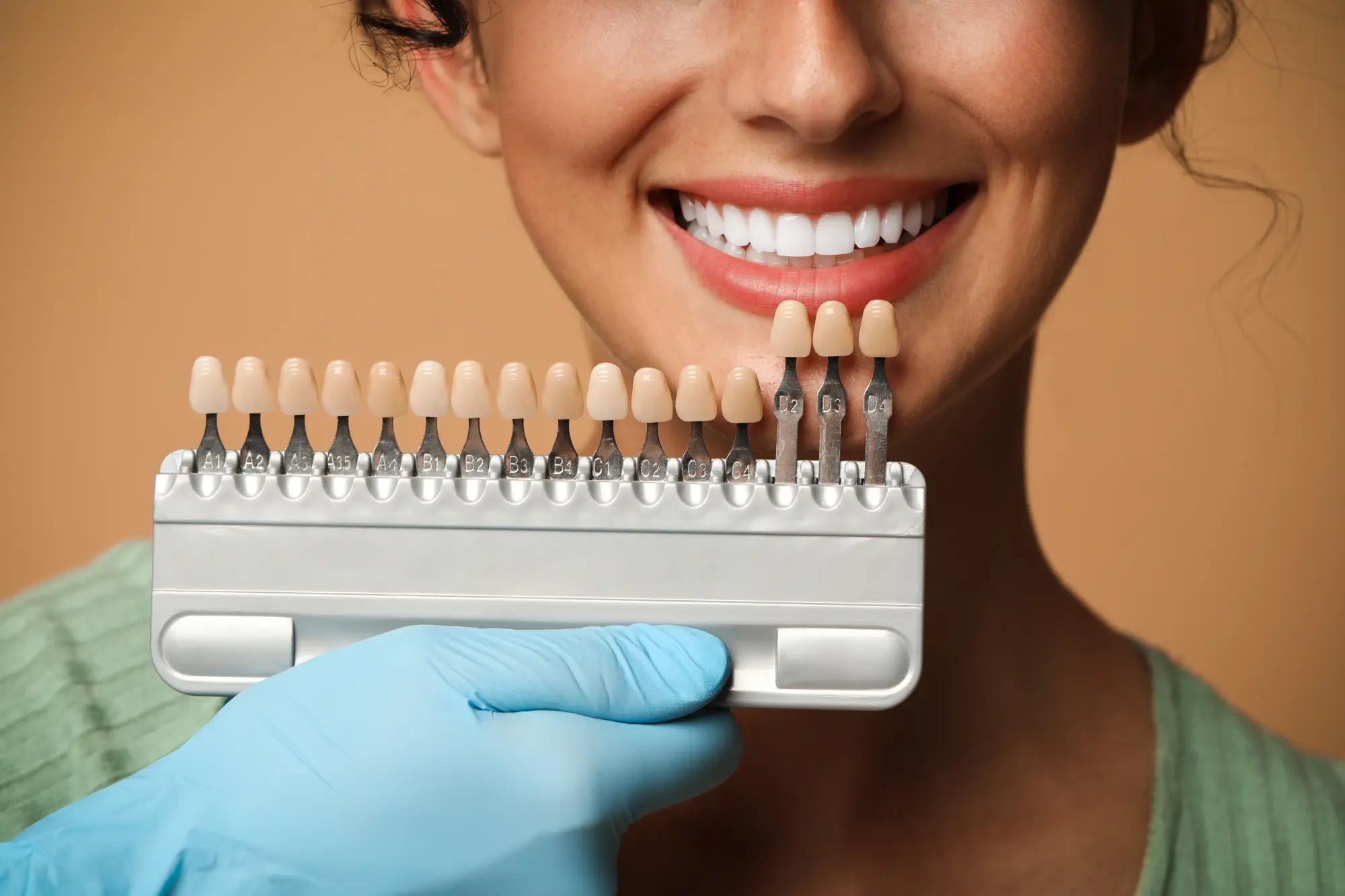
How Long Do Veneers Last? A Preserve-First Look at Veneer Longevity
Porcelain veneers can transform your smile, correcting everything from chipped teeth to stubborn discoloration. But as you consider this popular cosmetic treatment, one question may linger: "How long do veneers last?"
The honest answer is that it depends, and some of the factors that matter most are decided before a veneer is ever placed. At Relate Dental Care in Culver City, CA, Dr. Ramina Sarmicanic approaches veneers with a preserve-first philosophy: protect as much of your natural tooth as possible, and recommend veneers only when they are truly the right solution. This guide covers how long veneers typically last, what influences their longevity, why preserving enamel matters, and how Dr. Sarmicanic decides whether veneers are right for you at all.
What Are Porcelain Veneers?
Porcelain veneers are thin, custom-made shells bonded to the front surface of your teeth to improve their appearance. They can be used to:
- Correct uneven or misshapen teeth
- Conceal chips or cracks
- Improve the appearance of gaps
- Mask deep stains that don't respond to teeth whitening
Made from durable, stain-resistant ceramic, porcelain veneers are designed to mimic the look and translucency of natural enamel. Like all dental restorations, however, they have a lifespan, and that lifespan varies from patient to patient.
How Long Do Porcelain Veneers Last?
Porcelain veneers can last 10–15 years or longer, and some remain functional for 20 years or more. Their longevity depends on factors such as the amount of natural tooth preserved, bonding conditions, bite forces, and maintenance.
There is no guaranteed replacement timeline. Two patients with similar veneers can have very different experiences depending on their tooth structure, bite, habits, and how the veneers were planned and placed.
What Affects the Longevity of Veneers?
- How much natural tooth is preserved: Veneers bonded to healthy enamel generally have a stronger foundation than veneers placed on heavily prepared teeth.
- Bonding conditions: The surface the veneer bonds to, and how precisely the bonding is performed, plays a major role in how well a veneer holds up over time.
- Bite forces and grinding (bruxism): Clenching, grinding, or an unbalanced bite places stress on porcelain. If you grind your teeth, a custom nightguard may be recommended.
- Oral hygiene and gum health: Daily brushing and flossing protect the underlying teeth and the gumline around each veneer.
- Professional maintenance: Routine checkups allow us to monitor your veneers and catch small issues early.
- Daily habits: Biting hard objects, chewing ice, or using your teeth as tools can chip or crack porcelain.
Why Conventional Veneers May Require Enamel Preparation
Traditional porcelain veneers usually involve removing a thin layer of enamel from the front of the tooth. This preparation can serve several purposes: it creates room so the veneer doesn't look or feel bulky, it gives the veneer a defined edge to seat against, and it allows the porcelain to be thick enough to change the color or shape of the tooth.
The amount of preparation depends on the starting position and condition of your teeth. Teeth that are rotated, crowded, or positioned forward, or that are deeply discolored, may need more reduction to achieve a natural result.
It's important to understand that enamel removal is permanent. Enamel does not grow back, which is why Dr. Sarmicanic plans each case to remove only what is necessary, and in some cases, none at all.
Why Preserving Enamel Matters for Bonding and Long-Term Outcomes
Enamel is the most reliable surface for bonding a porcelain veneer. Bonds to enamel tend to be stronger and more predictable than bonds to the softer dentin layer beneath it. When preparation is kept within enamel, veneers generally have a better foundation for long-term success.
When more tooth structure is removed and dentin is exposed, the bond may be less predictable, and the tooth may be more prone to sensitivity or problems at the edges of the veneer over time.
Preserving enamel also protects your future options. Because veneers may eventually need to be replaced, keeping as much healthy tooth structure as possible today leaves more to work with later.
Why Some Patients May Qualify for Minimal-Preparation Veneers
For some patients, veneers can be designed to add to the tooth rather than take away from it. Minimal-preparation veneers may be an option when teeth are:
- Small, worn, or slightly short
- Separated by minor gaps
- Well aligned, needing changes mainly in shape or shade
- Positioned so that a thin layer of porcelain won't look over-contoured
With careful digital planning, including Digital Smile Design to preview your results, Dr. Sarmicanic can identify exactly where, and how much, reduction is needed. Often that means preparing only small areas of the tooth rather than the entire surface.
Why No-Preparation Veneers Aren't Right for Everyone
"No-prep" veneers are often marketed as a no-drilling shortcut to a new smile. While they can be an excellent choice for the right patient, they aren't appropriate for everyone. In the wrong situation, no-preparation veneers may:
- Look bulky or unnatural, especially on teeth that are already full or forward
- Create overhanging edges near the gumline that trap plaque and irritate the gums
- Be too thin to fully mask dark staining
- Be unable to correct significant rotation or crowding
The goal isn't simply the least preparation possible. It's the least preparation that still delivers a healthy, natural-looking, and durable result for your specific teeth.
Why Dr. Sarmicanic Evaluates Whether Veneers Are the Right Treatment
Veneers are a long-term commitment, and they aren't the only path to a more confident smile. Before recommending veneers, Dr. Sarmicanic evaluates:
- The condition and thickness of your enamel
- Your gum health
- Your bite, including any clenching or grinding
- Existing fillings, crowns, or other dental work
- Your goals, budget, and overall health
In many cases, a more conservative option can meet your goals with less impact on your natural teeth. Depending on your needs, that may include professional teeth whitening, dental bonding, contouring, or Invisalign®. You can see examples of how we tailor treatment to each patient, including cases where a more conservative option was the better choice, in our Smile Gallery.
When veneers are the right fit, you can feel confident that recommendation was made with your long-term oral health in mind.
Can Veneers Last a Lifetime?
It's unlikely that veneers will last a lifetime without eventually needing replacement, but careful planning, conservative preparation, and consistent care can significantly extend their lifespan.
Replacing veneers is not necessarily simple. Each replacement may involve additional considerations regarding the remaining enamel, bonding, and restoration design. Some teeth may eventually require more extensive restorative treatment. That's why the decisions made at your first placement, including how much tooth structure is preserved, matter so much.
Tips for Maximizing the Lifespan of Your Veneers
- Practice meticulous oral hygiene: Brush twice daily with a non-abrasive toothpaste and floss daily to protect your gums and the edges of your veneers.
- Use a soft-bristled toothbrush: This helps protect the porcelain surface and the bonded margins.
- Protect against grinding: If you clench or grind, wear your custom nightguard as recommended.
- Be mindful of your bite: Avoid using your teeth to open packages or chewing on ice, pens, or other hard objects.
- Wear a mouthguard for sports: Protect your veneers from accidental impact.
- Keep up with regular visits: Professional cleanings and exams help us catch small issues before they affect your veneers.
Why Choose Relate Dental Care for Veneers?
- A preserve-first philosophy: We prioritize minimally invasive treatment and aim to preserve as much natural tooth structure as possible.
- Honest recommendations: Dr. Sarmicanic recommends veneers only when they're the appropriate solution, and she'll tell you when a more conservative option may serve you better.
- Whole-health evaluations: Every treatment plan considers your bite, gum health, overall health, and personal circumstances.
- Budget-friendly options: Our membership plans and 0% APR financing help make care accessible without compromising quality.
- Personalized, pressure-free care: We take the time to understand your goals and answer your questions so you can make a confident decision.
Learn more about our full range of cosmetic dentistry services.
Considering Porcelain Veneers in Culver City?
Dr. Ramina Sarmicanic takes a conservative, individualized approach to cosmetic dentistry, recommending veneers when they offer an appropriate solution for your needs.
Call us at (310) 525-5178 to schedule your consultation, or book an appointment online. We'll help you understand all of your options, so you can choose the path that's right for your smile.
Related Posts
How Long Do Veneers Last? A Preserve-First Look at Veneer Longevity
What Is a Smile Makeover? How Cosmetic Treatments Can Work Together
Which Cosmetic Dentistry Treatment Is Right for Your Smile?