.avif)

Deep Cleaning (Scaling & Root Planing)in Culver City, CA
When a deep cleaning is recommended, it isn't simply a suggestion to perform a more thorough routine cleaning. Rather, it is a specific clinical diagnosis. Clinically known as scaling and root planing (SRP), a deep cleaning is a targeted therapy designed to treat active gum disease. Instead of an optional upgrade to a standard preventive cleaning, it is a necessary medical treatment to clear an infection from the mouth.
Why Choose a Deep Cleaning at Relate Dental Care?
If you've been told you need a deep cleaning, you may have questions—and we're here to answer every one of them. Many patients are surprised when this treatment is recommended, especially if their teeth feel completely fine. That's exactly why gum disease is so important to address early: it often has no obvious symptoms until it has already progressed.
At Relate Dental Care, Dr. Ramina Sarmicanic reviews your full health picture—including gum pocket depths, digital X-rays, and symptoms like bleeding or sensitivity—before recommending treatment. If a deep cleaning is recommended, it is because the clinical evidence calls for it.
What this therapy accomplishes:
- Eliminates the source of the bacterial infection beneath your gums.
- Allows inflamed tissue to heal, reducing bleeding and sensitivity.
- Provides a stable foundation to keep your natural teeth long-term.

.svg.png)

Did you know…

- It’s a Leading Cause of Tooth Loss: Gum disease is one of the primary causes of adult tooth loss, yet it is highly preventable and treatable when caught early.
- It Progresses Silently: Most people don't realize they have it because it rarely causes pain in its early stages. By the time you notice bleeding or shifting teeth, the infection has already been advancing beneath the surface.
- It Impacts Whole-Body Health: The bacteria responsible for gum disease don't just stay in your mouth. Research links untreated periodontal disease to systemic conditions like cardiovascular disease, diabetes complications, and respiratory issues.
The Benefits of a Deep Cleaning
Treats the Source, Not Just the Symptoms
A routine cleaning maintains the surfaces of healthy teeth, but a deep cleaning treats an active bacterial infection beneath the gumline. By removing the deposits that sustain the infection and smoothing root surfaces, this therapy gives your gum tissue the clean environment it needs to heal and reattach.
Stops Progressive Bone and Tissue Damage
Gum disease is progressive. The longer a bacterial infection persists beneath the gumline, the more it erodes the bone anchoring your teeth. Deep cleaning interrupts this process, which is far less invasive than addressing advanced bone or tooth loss later.
Reduces Bleeding, Sensitivity, and Inflammation
Bleeding gums, persistent bad breath, and temperature sensitivity are signs of an active infection. By targeting the bacteria causing this inflammation, deep cleaning resolves these symptoms at their root cause rather than masking them.
Protects Your Investment in Your Smile
Whether you have had cosmetic work, dental restorations, implants, or simply want to keep your natural teeth for life, healthy gums are the foundation everything else depends on. Gum therapy protects that foundation.
What to Expect From a Deep Cleaning
Step 1 — A Thorough Evaluation
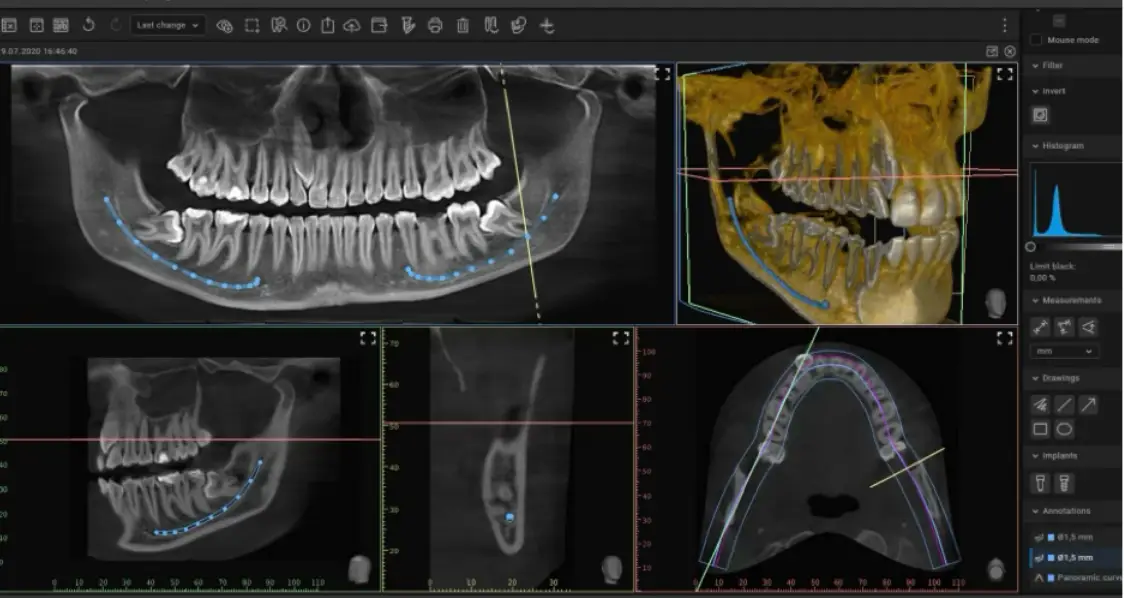
Your visit begins with a careful examination of your gums and supporting bone. We measure the depth of the spaces (pockets) around each tooth, review X-rays for bone changes, and discuss your medical history. Our goal is to make sure you fully understand your diagnosis before any treatment begins.

Step 2 — Cleaning Below the Gumline
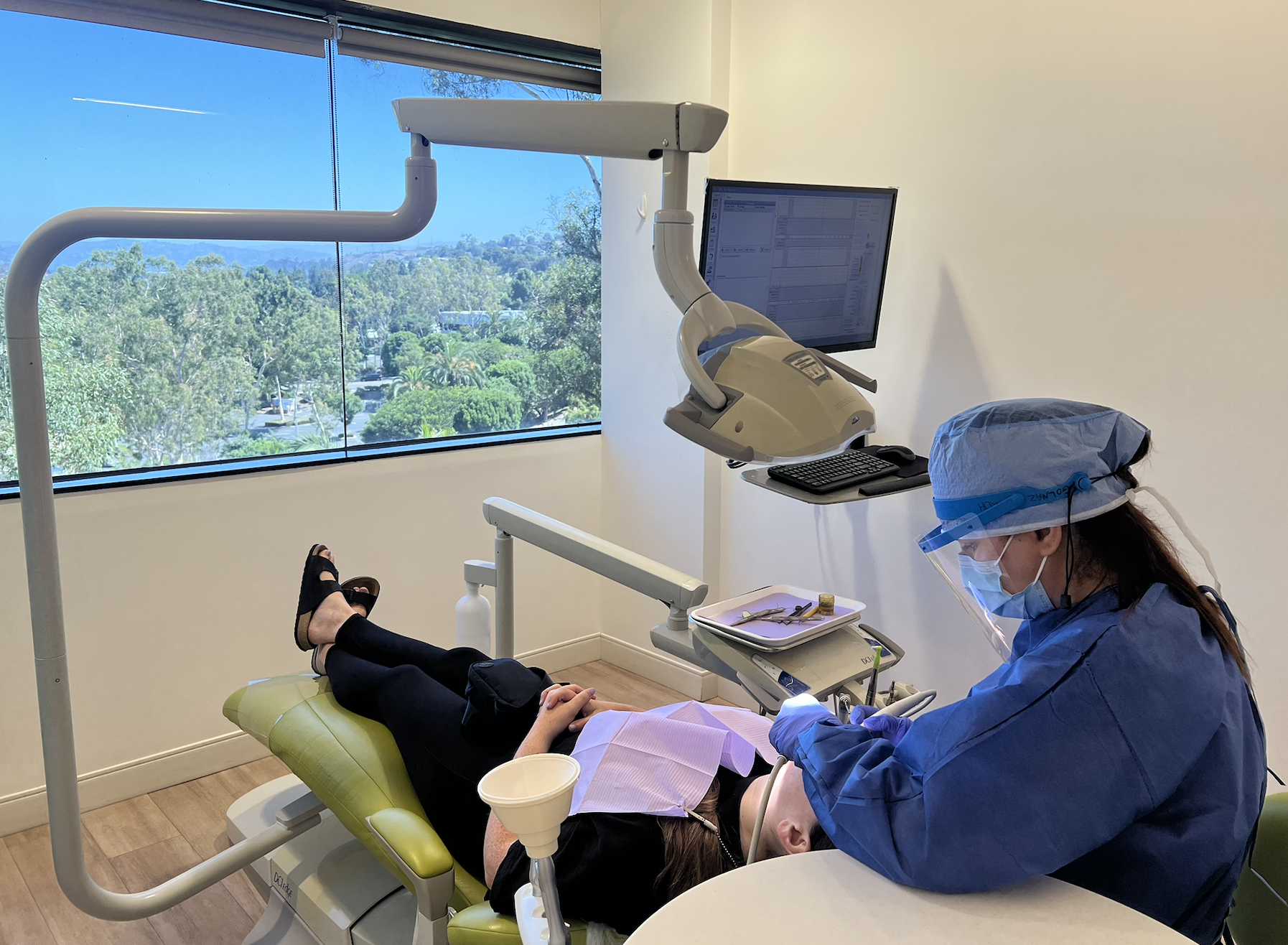
During treatment, we carefully remove plaque, tartar, and bacterial deposits from the tooth surfaces and root areas beneath the gums (scaling and root planing). Root planing smooths the root surfaces to discourage bacteria from reattaching. Local anesthesia is used as needed so you remain entirely comfortable throughout.

Step 3 — Adjunct Therapies (When Recommended)
In cases of deeper infection, Dr. Ramina may combine deep cleaning with advanced therapies to enhance your healing:
- Laser Therapy: Uses focused light energy to target bacteria within deep pockets that mechanical instruments alone cannot reach, promoting faster tissue healing.
- Antibacterial Therapy: Delivers targeted antimicrobial agents directly into the treated pockets to further reduce bacteria and support the recovery process.

Step 4 — Healing and Ongoing Maintenance
Some mild tenderness or sensitivity for a few days is normal as your gums heal. We will provide clear home care instructions and schedule follow-up visits to evaluate your recovery. Most patients are then placed on a periodontal maintenance schedule (typically every 3 to 4 months) to keep the infection from returning.
Before & Afters
A smile is worth 1,000 words.
See real patient success stories.

Faqs
Frequently Asked Questions
Check out these frequently asked questions, or call us to speak with our team.