.avif)
Dental Cleanings vs Deep Cleaning: Which One Should I Do?
Struggling to decide between routine dental cleanings and deep cleaning? If you're like many patients, you probably want to protect your smile while avoiding unnecessary discomfort or expense. Balancing your oral health needs with your personal concerns, can feel challenging.
But you're not alone! At Relate Dental Care in Culver City, Dr. Ramina Sarmicanic provides compassionate, tailored care to help patients understand their options and choose the best treatment for their situation.
Understanding Dental Cleanings vs. Deep Cleanings
To make an informed choice, it’s important to understand the difference between a standard dental cleaning and a deep cleaning. Each type of cleaning has a specific purpose, and your dentist will recommend one based on the health of your teeth and gums. Let’s explore what each treatment involves, and why they matter for your overall oral health.
What Is a Routine Dental Cleaning?
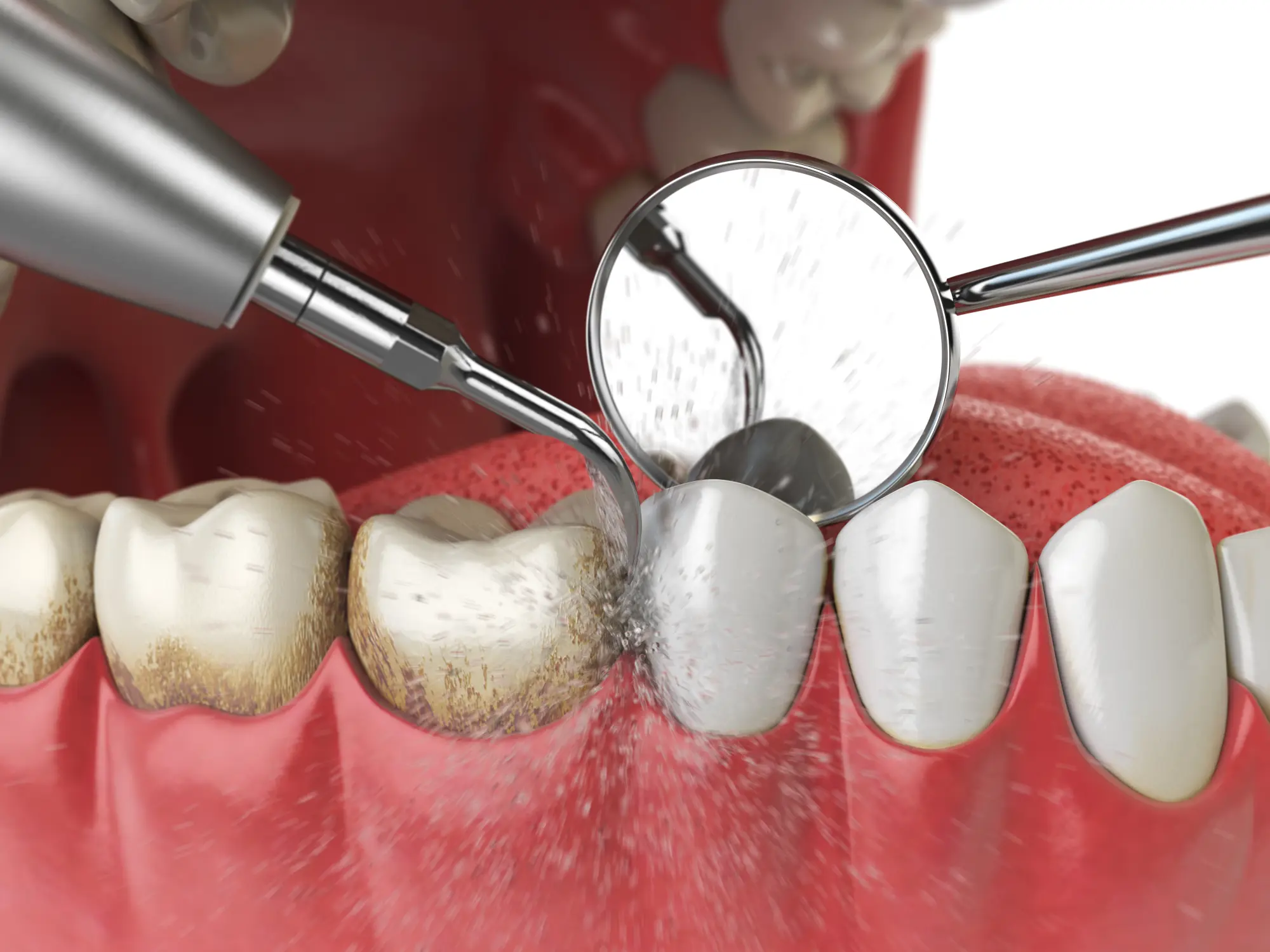
Routine dental cleanings, or prophylaxis, are typically recommended every six months for patients with healthy gums and no signs of gum disease. This preventive care focuses on removing plaque and tartar from the surfaces of your teeth and along the gumline. It helps maintain oral hygiene, prevents cavities, and keeps gum disease at bay.
- Removes plaque and tartar buildup
- Polishes teeth for a clean, smooth finish
- Helps prevent tooth decay and gum issues
If your gums and teeth are generally healthy, a standard cleaning combined with regular dental exams will likely be all you need to maintain your oral health.
What Is a Deep Cleaning (Scaling and Root Planing)?
A deep cleaning, also known as scaling and root planing, is only necessary for patients who have gum disease. This type of cleaning goes beyond the surface to address more serious oral health problems related to gum disease.
Deep cleanings are typically recommended as the first line of treatment for patients showing signs of gingivitis or periodontitis, such as gum inflammation, bleeding gums, or pockets forming between the teeth and gums. This treatment halts the progression of gum disease and prevents further damage to your teeth and supporting structures.
- Scaling: Removes plaque and tartar from below the gumline
- Root Planing: Smooths tooth roots to help gums reattach and heal
Deep cleanings usually require at least two visits, with one half of the mouth being cleaned at each one. You also will usually get antibiotics as part of your treatment, and will need to come in for future "periodontal maintenance visits,” every 3-4 months after your deep cleaning.
Key Differences Between Dental Cleanings vs Deep Cleaning
One of the biggest distinctions between these two procedures lies in their purpose. While routine dental cleanings are preventive, deep cleanings are corrective. Both are valuable, but your treatment plan will depend on your specific oral health condition. Here’s a quick comparison:
What Are the Disadvantages of Deep Cleaning Teeth?
While deep cleanings are effective, patients often feel apprehensive about the potential discomfort or aftereffects. It’s helpful to know what to expect:
- Sensitivity: Teeth may feel temporarily sensitive after scaling and root planing.
- Discomfort: Slight soreness or bleeding gums may occur immediately after the procedure.
- Follow-Up Care: To maintain results, your dentist will recommend follow-up cleanings and lifestyle changes.
At Relate Dental Care, we go above and beyond to make this process as comfortable as possible. Dr. Ramina Sarmicanic takes the time to explain procedures in detail, use advanced techniques for patient comfort, and provide phased treatments to fit both your needs and budget.
Will My Gum Disease Ever Go Away?
A common question among patients facing gum disease treatment is “will my gum disease go away if I get a deep cleanign?” The answer is “sometimes.” If you have the first stage of reversible gum disease (gingivitis), your gum disease may completely disappear with a deep cleaning.
However, if you have a more severe form of gum disease, it will never completely go away. The good news? With lifestyle changes and routine periodontal maintenance visits, it’s possible to get the symptoms under control and keep your mouth healthy indefinitely.
Why Choose Relate Dental Care for Your Dental Needs?
At Relate Dental Care, we believe in building trust and providing highly personalized treatment plans tailored to your unique health concerns, lifestyle, and finances. Our focus on preserving teeth means we use innovative, conservative treatments to extend the life of your natural smile whenever possible. Dr. Sarmicanic and her team create a stress-free experience by addressing your concerns upfront and delivering care with empathy.
What Sets Us Apart:
- Flexible payment options, including 0% APR financing for qualified patients
- No insurance? Join our affordable membership plan with immediate benefits
- $150 new patient special that includes a cleaning, exam, and X-rays
Book Your Appointment Today
Deciding between dental cleanings and deep cleaning doesn’t have to feel overwhelming. With the right guidance, you can confidently choose the best approach for your oral health. If you’re unsure which treatment is right for you, let Relate Dental Care help!
Located conveniently in Culver City, we’re here to answer your questions and provide the exceptional care you deserve. Call us today at (310) 525-5178 or schedule an appointment online. Your healthiest, brightest smile is just a step away!
Related Posts
Which Cosmetic Dentistry Treatment Is Right for Your Smile?
Dental Cleanings vs Deep Cleaning: Which One Should I Do?
Guided Dental Implants vs. Traditional Implants: How Minimally Invasive Technology Transforms Your Smile and Recovery